

A Gold Coast client often arrives at a consultation with the same practical problem: she wants more length or fullness, but she also wants to swim, exercise, work, tie her hair back and get through a humid morning without constantly checking whether the extensions are showing. On the coast, an extension method has to work beyond the salon chair. Heat, salt, UV exposure, sweat and a busy schedule all affect whether a result remains comfortable and believable.
Tape weft extensions can be an excellent answer, but they aren't automatically the right answer for every head of hair. The panel may sit beautifully flat and create an impressive blend, yet the adhesive needs disciplined care and timely refits. The most useful question isn't whether tape wefts are fashionable. It's whether their attachment, maintenance rhythm and level of discretion suit your hair and the way you live on the Gold Coast.
Table of Contents
- A Gold Coast Morning With Tape Weft Extensions
- What Tape Weft Extensions Actually Are
- Honest Pros and Cons of Tape Wefts
- Maintenance, Refits, and Coastal Aftercare
- How Tape Wefts Compare to Other Extension Methods
- Common Questions Gold Coast Clients Bring to a Consultation
- Choosing the Right Method for Your Hair and Lifestyle
A Gold Coast Morning With Tape Weft Extensions
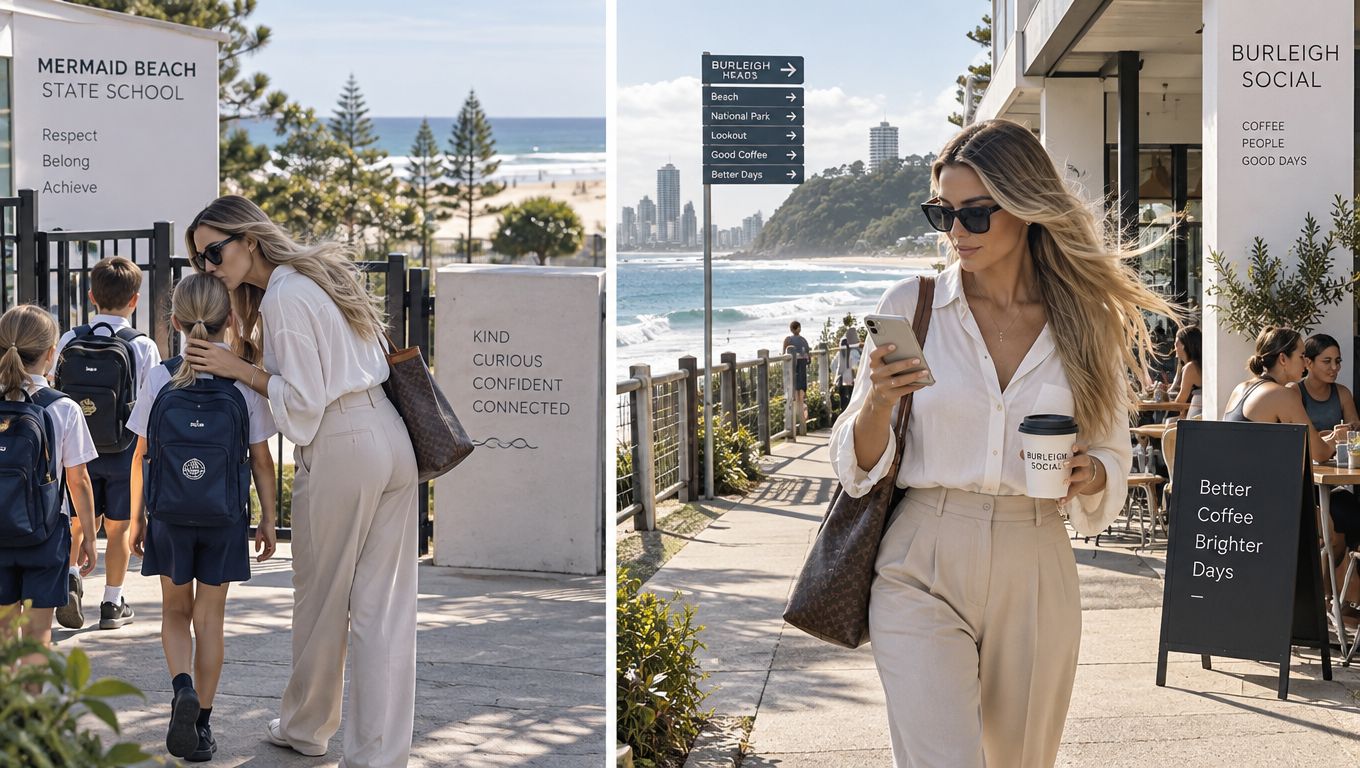
A Mermaid Beach mum arrived at school drop-off with wet-weather hair, two children in tow and a coffee catch-up waiting in Burleigh. Her tape weft extensions were six weeks into their wear cycle. She'd dealt with a windy walk near the Broadwater, a little saltwater exposure earlier in the week and a rushed blow-dry that left the lengths presentable, if not perfectly polished.
At first glance, her hair still looked full and natural. The difficulty appeared at the roots. The panels had moved down with natural growth, and one side was beginning to feel less flat after sleep and workouts. Nothing had failed dramatically, but the appointment window was no longer theoretical. Her hair was asking for attention.
That is the day-to-day reality of tape weft extensions. They are a professional hair extension application method, not an accessory to attach at home and forget about. A specialist selects the panel size, sections the natural hair, places each row according to growth patterns and blends the finished hair so it moves with the client's own shape.
A coastal lifestyle changes the maintenance conversation. A method that looks perfect on installation day still needs to tolerate humidity, sweat, water and the way you actually style your hair.
Gold Coast clients also need to distinguish between the hair itself and the attachment system. Quality human hair may remain reusable for several refit cycles, while the adhesive requires regular replacement or refreshing. Australian extension guidance describes tape and weft hair as potentially wearable for three to six months or longer with proper care, while the bond may need attention much earlier, as outlined in Australian tape and weft warranty guidance.
The result can be excellent for added fullness, discreet length and a quicker transformation. It can also be frustrating if you swim frequently, have an oily scalp or can't commit to scheduled maintenance. A good consultation deals with both sides before any hair is ordered.
What Tape Weft Extensions Actually Are
A tape weft is a thin horizontal panel of human hair with an adhesive attachment along its upper edge. A standard unit is commonly described as approximately one centimetre by four centimetres, creating a flat panel rather than a single bonded strand, as shown in this standard tape hair extension panel description.
The application is called a sandwich method because a small section of natural hair sits between two matching adhesive panels.
The studio application
The process is careful and deliberate:
- The natural hair is cleansed and dried so the attachment area is free from oil, conditioner and styling residue.
- The stylist sections a clean, controlled slice of hair. It must be strong enough to support the panel, but not so thick that the attachment becomes bulky.
- One panel is placed close to the root without pressing directly against the scalp.
- The natural hair is lowered over the panel, and the second panel is aligned underneath.
- The two tabs are pressed together to seal the sandwich.
- The finished rows are checked for spacing, comfort, movement and visibility before the hair is cut and blended.
The panel design distributes the added hair across a horizontal section instead of concentrating weight at one point. That helps tape wefts sit flat and flexible, which is why they can feel less intrusive than a bulky clip-in panel during a long day. They also avoid the individual attachment points associated with some strand-by-strand methods.
The result isn't automatically invisible. Placement, density and the client's natural hair all matter. A panel installed too close to the hairline, too low at the nape or into hair that cannot support it may show, pull or become uncomfortable. A skilled stylist uses the head shape and the natural growth pattern to decide where the rows belong.
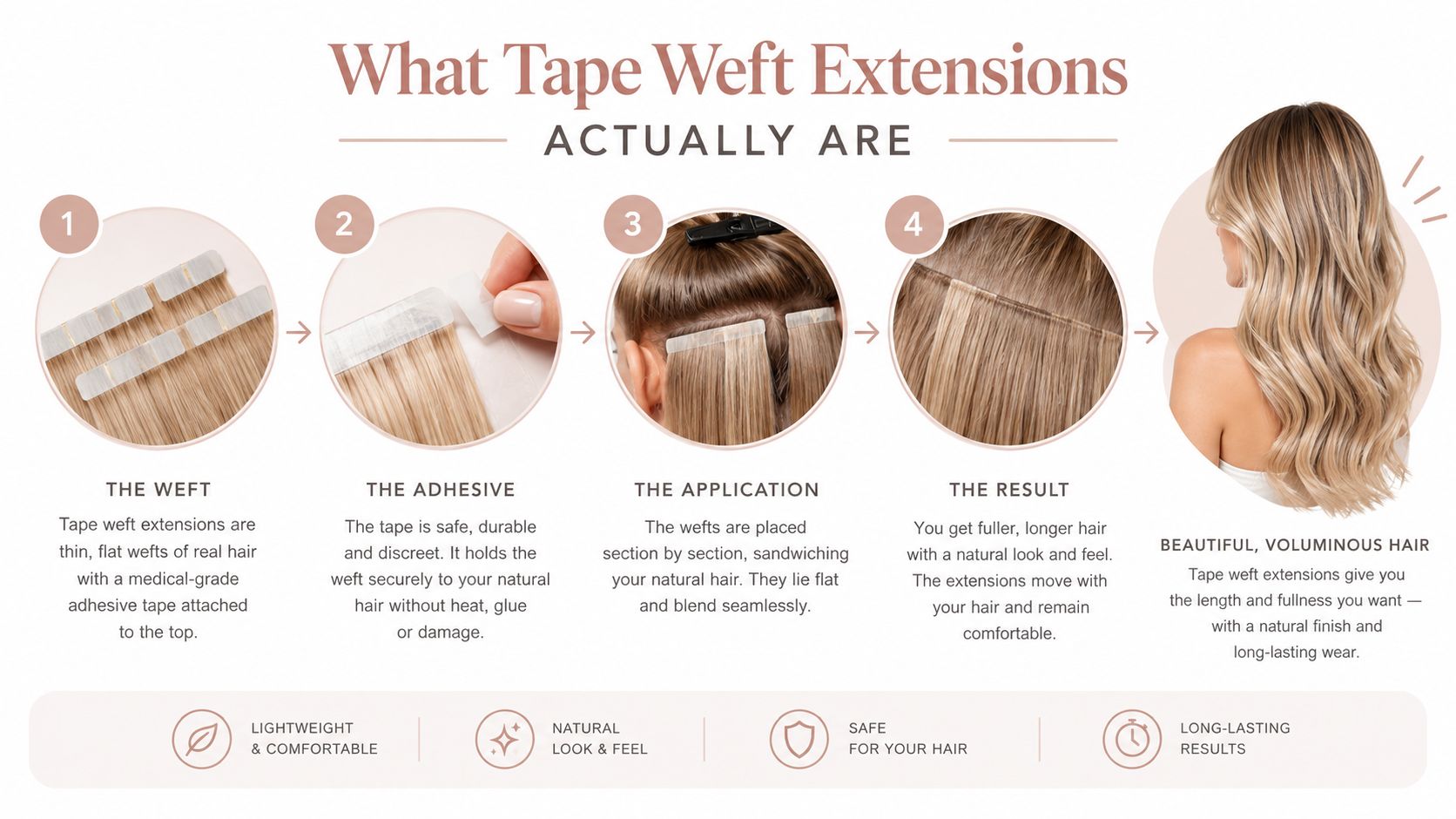
One practical advantage is that the hair panel can often be reused while the adhesive is replaced. At a refit, the stylist removes the panels, cleans away old adhesive, applies fresh tape and repositions the hair closer to the scalp. Australian supplier guidance describes tape panels around 0.8 centimetres by four centimetres or one centimetre by four centimetres, with a re-tape or reinstall cycle of about six weeks in its product information for weft extension methods.
That makes tape wefts different from a one-off purchase. The initial application is only the start of the service relationship. The quality of the hair, the condition of the natural hair and the consistency of refits determine whether the method remains worthwhile.
Honest Pros and Cons of Tape Wefts
Tape wefts earn their popularity through convenience. A full application is generally quicker than a strand-by-strand fusion service, and the flat attachment can create a smooth silhouette under the natural hair. For a client who wants a noticeable change without sitting through a very long installation, that can make tape a sensible choice.
They can also suit fine to medium hair when the stylist selects an appropriate amount of hair and keeps the rows balanced. “Fine hair” doesn't mean every tape system is suitable. The individual panels still have weight, and the attachment needs enough natural hair to hold them securely without creating constant tension.
What tends to work well
- Flat movement: The panel sits close to the head, so the hair can move naturally when the installation is correctly placed.
- Efficient application: Tape is often faster to install than keratin bonds or a detailed strand-by-strand service.
- Reusable quality hair: The weft may be used through multiple refit cycles when the hair remains in good condition.
- Flexible styling: Clients can wear their hair loose, half-up or in selected ponytail styles when the perimeter and top layers have been planned properly.
- A softer first experience: Some first-time clients prefer a broad, flat panel over many small attachment points.
Where the compromise appears
Adhesive responds to its environment. Humidity, sweat, swimming and excess oil can soften or weaken the hold, so a Gold Coast client who spends a lot of time in the ocean or pool needs a more careful routine than someone with a dry, low-activity lifestyle. Australian aftercare advice specifically warns that heat should not be applied directly to the attachment because it can weaken the adhesive and affect the tape and natural hair, as explained in this hair extension aftercare guide.
A very oily scalp may shorten the neat-wearing period. Heavy conditioner, masks, oils or silicone-rich products placed near the bond can also encourage slippage. Tape may become visible when the hair is pulled into an ultra-sleek style, repeatedly parted in one place or allowed to grow out beyond its comfortable position.
The refit isn't an optional beauty extra. Once the panels have moved down, the attachment has more leverage on the natural hair and the blend becomes harder to control.
Tape wefts also aren't the most discreet option for every delicate head of hair. A client with very fine hair around the temples may need individual nano or micro attachments, a lighter weft design or a hybrid application instead. Choosing tape just because it looks flat on another person is a poor way to choose a method.
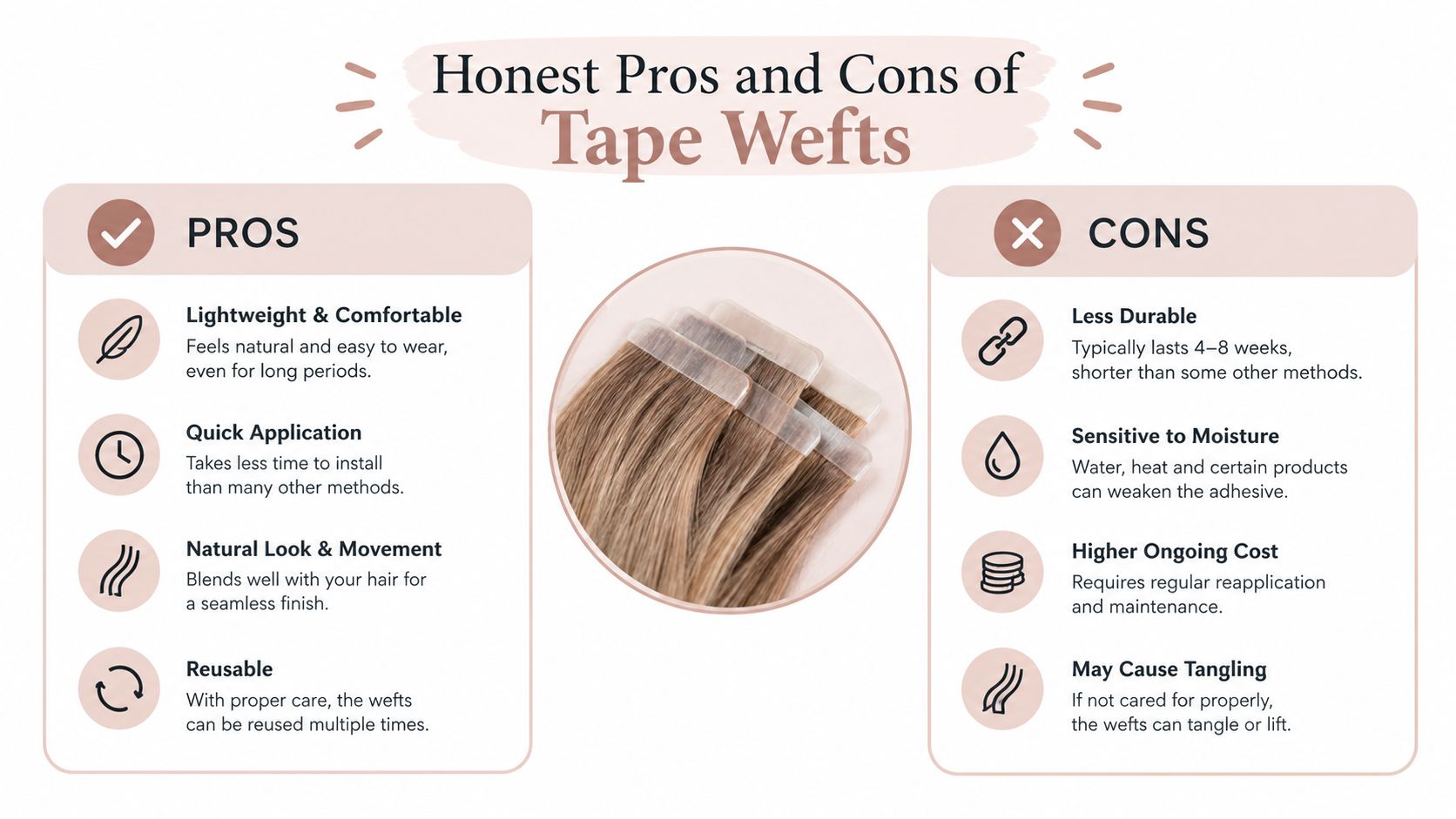
The central trade-off is straightforward. Tape offers a fast, flat and reusable system, but it demands control around water, oil, heat and booking habits. If those demands fit your routine, the method can be practical. If they don't, another method may deliver a better result even if the initial installation takes longer.
Maintenance, Refits, and Coastal Aftercare
Most Australian tape and weft clients need a refit at roughly six to eight weeks, with some tape systems requiring attention closer to the earlier end of that range. This maintenance rhythm is described by Australian hair extension maintenance guidance. Natural hair growth moves the attachment away from the scalp, which changes how the panel lies and increases the chance of root tangling.
At the appointment, the stylist assesses the attachment, removes the panels, cleans the natural hair and removes old adhesive. Fresh tape is applied before the panels are repositioned. The stylist should also check whether the original sectioning still suits the hair, because the best placement at installation may need adjustment as the hair grows.
What to do between appointments
A sensible Gold Coast routine is simple, but it has to be consistent.
- Wash the scalp carefully: Use a gentle, extension-compatible cleanser and work through the scalp without scrubbing or twisting the panels.
- Keep conditioner below the bonds: Apply conditioner and masks from the mid-lengths towards the ends, not over the attachment area. Australian aftercare advice recommends keeping slip-heavy products away from the bond and drying the roots thoroughly, as set out in this extension care guidance for washing and drying.
- Brush from the ends upward: Use a soft-bristle or loop brush and support the root area with your free hand. Pulling a brush through a panel is an easy way to create unnecessary stress.
- Dry the roots fully: Don't leave the attachment damp beneath a hat, in a bun or under a tight ponytail after a workout or swim.
- Protect the lengths: Salt, chlorine, UV and humidity can leave extension hair rough or faded. Rinse after swimming, use suitable hydration through the lengths and limit direct heat.
- Reduce night-time friction: A silk pillowcase or a loose braid can help control tangling while you sleep.
When to book earlier
Visible regrowth isn't the only warning. Matting at the roots, persistent itchiness, one-sided lifting, tenderness or a panel that catches during brushing all justify an earlier assessment. Waiting for a scheduled date can turn a small lifting area into a tangled section that takes longer to remove safely.
The Gold Coast climate doesn't make tape impossible. It removes the illusion that aftercare can be casual. Clients who plan around swimming, dry the attachments properly and avoid oily products at the roots usually have a far easier experience than clients who treat the panels like ordinary loose hair.
How Tape Wefts Compare to Other Extension Methods
Tape wefts sit in the middle of a broader method menu. They aren't as temporary as clip-ins, and they aren't as individually discreet as every micro or nano bead installation. They can be faster than fusion, while offering a flatter panel than some sewn-in systems.
| Method | Install Time | Bond Visibility | Refit Interval | Best Suited To |
|---|---|---|---|---|
| Tape wefts | Relatively quick panel application | Flat, but can show with very fine hair or sleek parting | Usually about six to eight weeks, depending on the system and care | Clients wanting reusable length or volume with a flat attachment |
| Hand-tied wefts | More involved sew-in application | The row can show in very high styles or sparse hair | Regular move-ups, planned around growth | Fuller hair and clients wanting a lightweight sewn-in row |
| Micro-bead extensions | Detailed individual application | Small attachments can be discreet when correctly placed | Regular move-ups as the hair grows | Clients wanting no glue or heat and flexible movement |
| Thread-in extensions | Sectioned mechanical installation | Depends on row placement and natural density | Scheduled maintenance as the row moves | Clients avoiding adhesive and seeking a reusable method |
| Keratin bonds or fusion | Slower, strand-by-strand application | Individual bonds can be discreet with careful placement | Longer-wear planning with professional removal | Clients wanting individual placement and styling flexibility |
| Clip-in extensions | Fastest, removable application | Panels may show if placed poorly or worn in fine hair | Removed after wear, no ongoing refit | Occasional events, photography or no-commitment styling |
Hand-tied wefts are a strong option for clients who want a sewn-in result and have enough density to support the row. They don't rely on adhesive, which can be helpful for people who dislike glue, but the row still needs appropriate placement and maintenance. On humid beach days, a hand-tied system may avoid adhesive-related concerns, although its sewing structure can become visible in certain upstyles.
Micro-bead and nano-bead methods use mechanical attachment rather than heat or glue. They allow more individual movement and can be useful around fine or delicate areas, but the consultation must account for the strength of each small section. Individual methods also take more time to apply than broad tape panels.
Keratin bonds create a strand-by-strand result with substantial placement control. They can suit clients who want to wear high ponytails or need a highly customised distribution, but removal and installation are slower processes and the hair generally needs a more involved service plan.
Clip-ins remain useful for occasional wear. They don't ask you to commit to a refit cycle, but they may feel heavier during a full day and can be more visible in sparse hair. The right comparison is not “which method is best?” It is which attachment gives the required result without asking more of the natural hair or lifestyle than either can manage.
Common Questions Gold Coast Clients Bring to a Consultation
Will tape wefts damage natural hair
They can if the method is poorly matched or poorly maintained. Common causes include placing the panel too close to the scalp, attaching too much added hair to too little natural hair, leaving the installation on too long or removing it roughly. Correct sectioning, suitable weight and professional removal reduce those risks, but no extension method removes the need to monitor the natural hair.
How long can I keep the same hair
The extension hair may be reusable for months when it remains strong, clean and well cared for. The adhesive attachment is temporary, so the panels need to be removed, refreshed and repositioned during scheduled maintenance. Reusing hair doesn't mean leaving one installation untouched indefinitely.
Can I train, swim or wear a ponytail
You can exercise with tape wefts, but sweat should not sit damp at the roots for long. Rinse after ocean or pool exposure, dry the attachment thoroughly and avoid tying wet hair tightly. A low or relaxed ponytail is usually easier to conceal than a high, tight style, especially when the panels sit near the sides or nape.
Are all tape wefts the same
No. Hair quality varies between single-drawn and double-drawn hair, with differences in how evenly the lengths are distributed and how full the ends remain. Adhesive quality also matters. Medical-grade adhesive designed for extension use is not interchangeable with generic tape from a craft or beauty aisle.
The panel's width, density, colour and flexibility all affect the finished result. A salon-grade application also includes cleansing, section control, tension assessment, blending and an aftercare plan. The tape itself is only one part of the service.
How do you match highlighted hair
A single block colour rarely matches highlighted or balayaged hair convincingly. The stylist may need to combine tones, add lowlights or use colour work within the weft so the mid-lengths and ends transition naturally. Matching only the root can leave the extensions looking separate when the hair moves.
Queensland businesses also operate within formal infection-control requirements. Queensland's personal appearance service framework covers higher-risk services through specific licensing and requires other personal appearance services to follow the relevant Act, Regulation and infection-control guidance. Local premises requirements can also apply, so professional extension work belongs in a properly managed salon environment rather than an improvised home setup.
No method is perfect. A proper consultation isn't about selling the newest attachment. It's about identifying what your hair can support, what your routine will allow and which compromises you're comfortable making.
Choosing the Right Method for Your Hair and Lifestyle
A useful consultation starts with three questions.
What is your hair condition and density
Fine hair, fragile ends and areas of thinning need a lighter distribution of weight. A stylist may consider nano beads, micro beads, hand-tied wefts or a carefully designed hybrid rather than placing broad adhesive panels everywhere. Thicker hair often gives tape wefts more support and more room to conceal the attachments.
The answer also depends on where you want the change. Crown fullness, face-framing length and perimeter thickness may require different placements. A full-head request doesn't always need one method across every section.
What does your week look like
Tell the stylist about gym sessions, ocean swims, pool use, helmet or hat wear, regular blow-drying and how often you tie your hair up. Humidity exposure and styling habits can be more important than the look you save on your phone.
Tape wefts can suit a client who wants a relatively quick installation and is willing to protect the bonds. Someone who swims frequently or dislikes adhesive maintenance may prefer a bead or sewn-in option. A client wanting maximum versatility around the hairline may benefit from a hybrid using individual attachments where panels could show.
How much maintenance feels realistic
Ask for the complete service plan, not only the installation recommendation. You need to understand the refit schedule, the likely care routine and the ongoing cost of maintaining the hair over a year. A cheaper initial choice may become poor value if it doesn't suit your lifestyle or requires premature replacement.
Bring these questions to a Gold Coast consultation:
- How will you assess my natural growth patterns and the amount of hair available for each attachment?
- Which areas need a different method or lighter weight?
- What will the refit schedule involve, and what should I budget for ongoing maintenance?
- Can we discuss a trial placement or a smaller application before committing to a full transformation?
- How will you match my highlighted, balayaged or multi-tonal colour?
- What should I do after ocean swimming, pool use or a sweaty workout?
For local clients comparing hair extensions Gold Coast services, the most valuable recommendation is the one that remains comfortable and manageable after the first week. An experienced hair extension specialist should be prepared to recommend tape wefts, another method or a combination of methods based on the evidence in front of them, not a one-size-fits-all menu.
Hair Extensions Full Stop provides consultation-led hair extension application in Ashmore, including tape installation, invisible and butterfly wefts, micro and nano beads, keratin bonds, bespoke colour matching, blending and ongoing refits. Visit Hair Extensions Full Stop to discuss your hair, coastal routine and preferred result before booking a professional application.
Authored using the Outrank app
Recent Articles


