

You're probably at the point where the bonds have grown out, the temples feel tender, and every brush-through reminds you that it's time to do something about it. Maybe you've got a colour refresh coming up, maybe the extensions are no longer sitting flat, or maybe you just want your own hair back in good condition before the next installation. On the Gold Coast, keratin bond extensions removal should be treated as a proper hair-health appointment, not a quick mechanical task.
The difference matters because removal is where a lot of avoidable damage happens. A clean release, careful detangling, and a scalp check can leave you ready for a refit, a method change, or a break from extensions altogether. A rushed job can leave behind residue, breakage, or tension that shows up for weeks after the appointment.
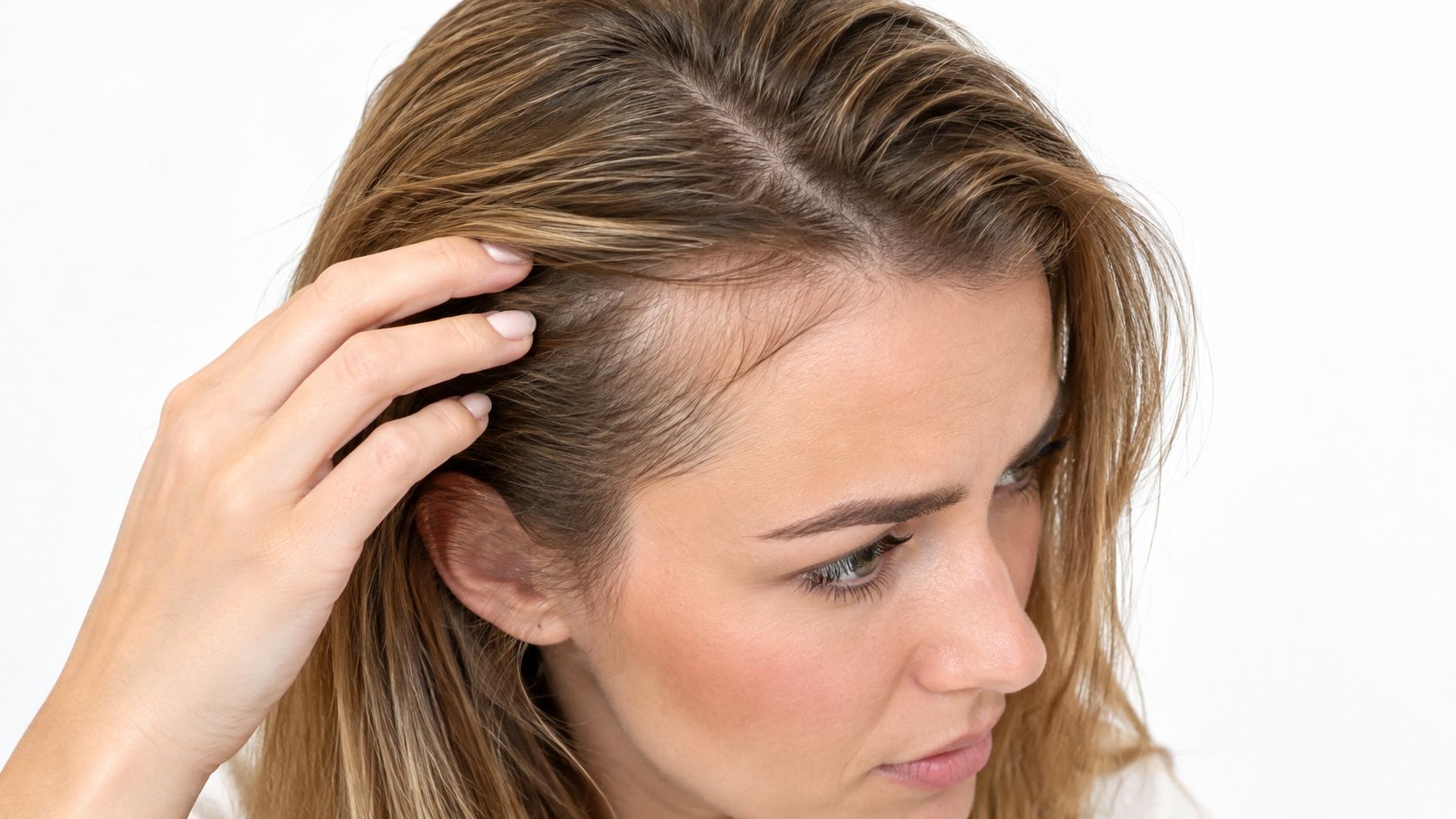
Table of Contents
- Why Gold Coast Clients Book Keratin Bond Extensions Removal
- How a Salon Removes Keratin Bonds Safely
- Salon Removal Versus a DIY Attempt
- Solvents, Safety and Questions Worth Asking the Salon
- Looking After Your Natural Hair After the Bonds Come Out
- When Removal Reveals a Bigger Problem
- Planning Your Refit on the Gold Coast
Why Gold Coast Clients Book Keratin Bond Extensions Removal
A lot of clients only book removal when the signs are already obvious. The bonds have moved down the hair shaft, the roots are tangling sooner than they should, or the scalp feels sore at the temples after a day in the sun and salt. Others come in because they've got a wedding, a holiday, or a colour correction booked and need the extensions out cleanly before the next step.
The moment removal stops being optional
By the time a keratin bond is sliding too far from the root, it's no longer just a styling issue. It becomes a hair integrity issue. Growth changes the angle of pull, and the more the bond migrates, the more likely it is to tangle, snag, or create tension at vulnerable spots.
That's why many Gold Coast clients treat removal as part of maintenance rather than an emergency. It gives the stylist a chance to assess the natural hair, not just take the extensions out and send the client home. If the hair is strong, the next set can be planned properly. If it's not, the right call might be a lighter method, a pause, or a recovery period.
What people usually want to know first
Two questions come up again and again. First, can this be done safely without wrecking my own hair? Second, should I trust a salon, or try to do it at home?
Practical rule: if the bonds are matted, the scalp is sore, or you don't know exactly what remover is on the bond, it's time for a professional assessment.
That's the reason removal matters on the Gold Coast. It's not just about getting the extensions off. It's about deciding what your natural hair can realistically support next.
How a Salon Removes Keratin Bonds Safely
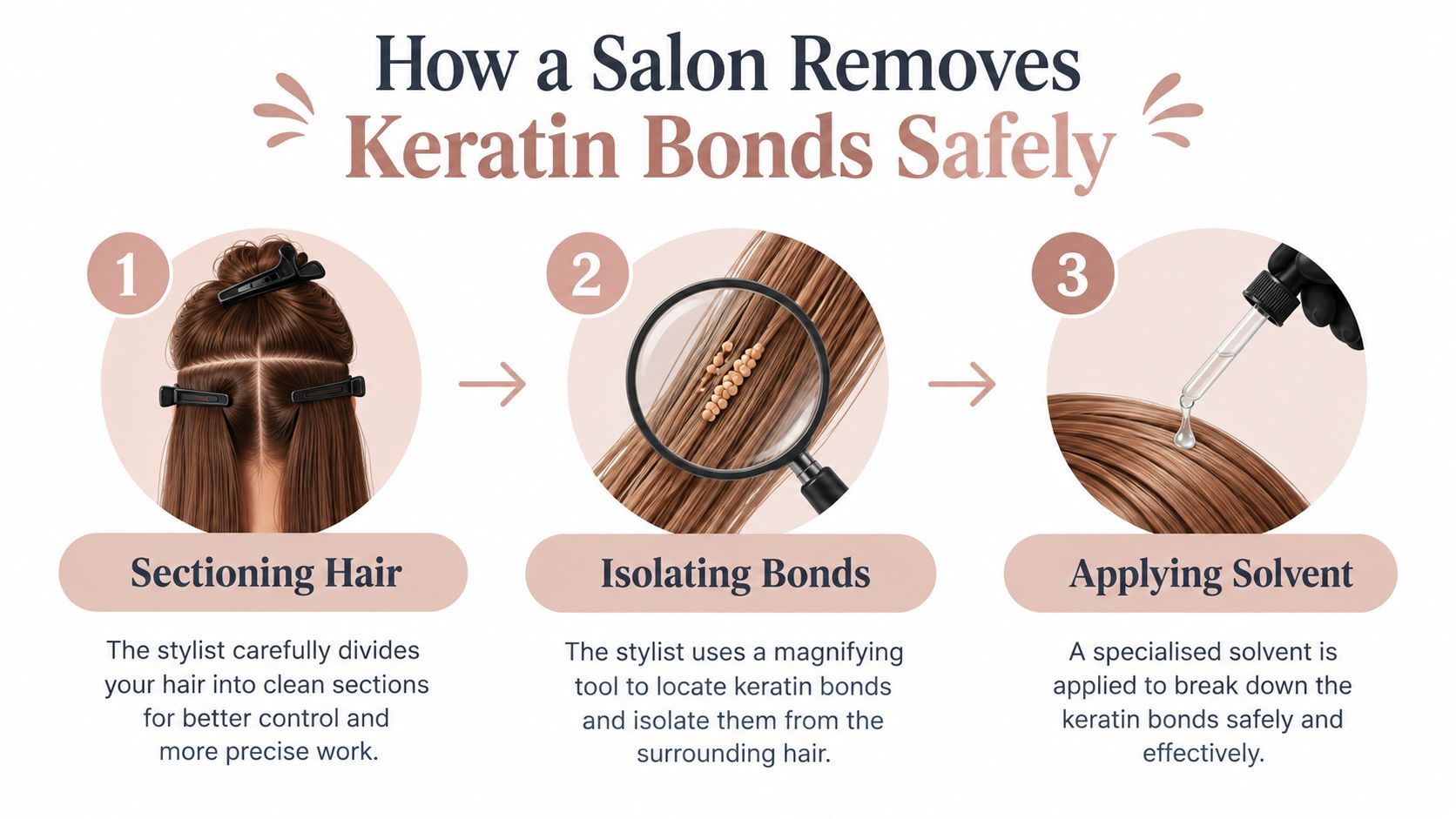
A proper salon removal is slow on purpose. The bond has to be softened before it's compressed, and the natural hair has to stay stabilised while the extension slides away. Australian guidance describes a controlled sequence, isolate a small section, protect the surrounding hair, apply remover directly to the bond, allow it to penetrate, then use purpose-designed removal pliers until the bond fractures or crumbles.
What the hands actually do
The working rhythm is simple, but the detail matters. Australian removal guidance specifies roughly 2 to 3 drops of solvent per bond, and only a few bonds should be worked on at a time so exposure stays controlled. Once the bond softens, the pliers compress it just enough to break the seal, then the extension is slid downward while the natural hair is held steady.
That's the part many people misunderstand. The extension shouldn't be yanked upward, twisted off, or combed out with force. When the bond is ready, it releases. When it isn't ready, force just transfers stress into the client's own hair.
Where removal goes wrong
Most bad outcomes come from impatience, not from the existence of keratin bonds themselves. Skipping dwell time leaves the bond too firm. Crushing too hard can fracture nearby hairs. Gripping the natural hair instead of the bond creates traction. Trying to use heat as a shortcut adds another layer of risk.
Keep the solvent on the bond, not the scalp, and keep the section small enough that you can see exactly what's releasing.
After the bond comes away, the remaining keratin is cleansed out with shampoo, then the hair is conditioned and checked strand by strand. A professional appointment should feel methodical, not rushed.
Salon Removal Versus a DIY Attempt
There's no point pretending every removal has to happen in a salon. One or two loose bonds between appointments can sometimes be dealt with at home if the remover is correct, the hands are steady, and the client knows exactly what they're doing. A full-head set is a different matter. That's where the risk climbs, especially if the hair has already started to tangle.
| Factor | Salon removal | DIY attempt |
|---|---|---|
| Tool control | Purpose-designed pliers, sectioning clips, and remover applied bond by bond | Often a mixed kit, with more chance of using too much solvent or the wrong tool |
| Time | Slower, more deliberate, and built around the hair's condition | Can feel quicker at the start, then stall when bonds resist |
| Traction risk | Lower when the stylist isolates each bond and stabilises the hair | Higher if the remover isn't fully absorbed or the bond is gripped too hard |
| Scalp exposure | Managed through sectioning, controlled product use, and ventilation | More likely to involve product drift onto the scalp or fingers |
| Hair reuse | Better chance the extension hair stays intact | Greater chance the extension hair is stressed or contaminated |
| Best fit | Full-head sets, matting, scalp sensitivity, uncertain product history | One or two loose bonds, when the client has the right remover and patience |
If you want a useful comparison with another method, the process in this guide to tape-in removal shows the same basic principle, release the attachment chemically first, then separate it gently.
When home removal isn't worth it
A DIY attempt stops being sensible the moment the hair is matted near the root, the scalp already feels irritated, or the product history is unclear. It also gets risky if the client has a history of chemical sensitivity or if they're pregnant and the salon ventilation situation matters.
Before any removal, ask yourself three things. Do I know the remover being used? Can I work bond by bond without pulling on the natural hair? Will the hair still be reusable after I'm done?
Solvents, Safety and Questions Worth Asking the Salon
A keratin bond remover should soften the bond, not strip the natural hair with it. That sounds simple, but the job is broader than chemistry. Product identification, ventilation, scalp condition, and what happens after the bonds release all matter, because a removal service should protect both the hair and the person wearing it. In Australia, cosmetic ingredients sit within the broader chemicals and consumer-product framework, including AICIS and ACCC oversight, so the exact product used matters more than the word “keratin” on the label.
The safety questions that matter
SafeWork NSW treats salon chemicals as exposure risks, not just product choices. That is why ventilation, PPE, product substitution, and exposure control all deserve attention, especially for clients with asthma, dermatitis, or fragrance sensitivity. The same guidance cites an eight-hour formaldehyde exposure standard of 1 ppm and a short-term limit of 2 ppm for formaldehyde (SafeWork NSW, https://www.safework.nsw.gov.au), which is a clear reason to ask how fumes are controlled rather than assuming the salon has it covered.
Ask the stylist these questions before removal starts:
- What is the product name? The label tells you more than “keratin” ever will.
- Is heat used during removal? Heat changes how the bond breaks and how the scalp feels.
- How are fumes ventilated? Extraction or airflow should be obvious, not implied.
- What happens if my scalp reacts? There should be a clear response, not guesswork.
- Have you done a patch test if needed? That matters if you have reacted before.
If the salon cannot answer those questions clearly, the problem is not your caution.
Why this is a hair-health check, too
A careful remover is also checking whether the scalp can tolerate the service. Redness, tenderness, flaking, or broken skin can change the method on the spot, and sometimes the safest call is to stop, reassess, or send the client for a professional review before continuing. That approach protects the natural hair and helps avoid turning a routine removal into a bigger repair job.
A good hair extension specialist will tell you exactly what is on the bond, how it will be released, and what happens if the scalp does not like the product.
Looking After Your Natural Hair After the Bonds Come Out
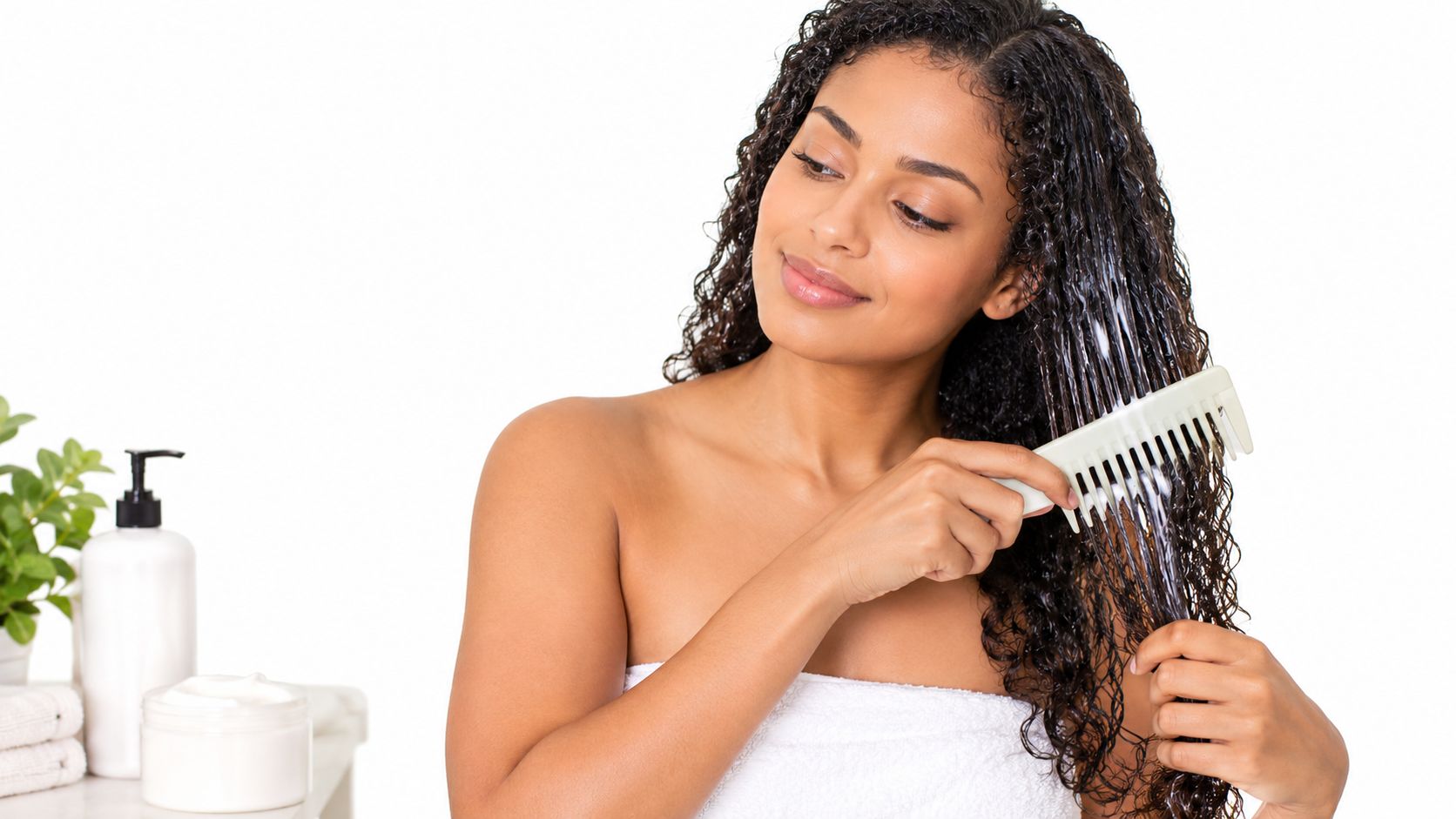
The first comb-through after removal tells you a lot. Start at the ends and work upward, because that's where tangles loosen safely. If you hit a knot and drag down from the roots, you'll create breakage that wasn't there five minutes earlier.
What normal shedding looks like
After keratin bonds come out, some shed hair usually releases at once because it was trapped inside the bonds while you wore the set. That isn't automatically damage. The tell is the root end. Shed hair usually carries the bulb, while breakage tends to snap through the shaft.
Wash the hair with a cleansing shampoo to remove residual solvent and broken keratin, then condition the mid-lengths and ends generously. Hair that's been under tension often feels drier for a short period, so this isn't the time for aggressive brushing or heat-heavy styling.
What to check in the mirror during the first week
A simple mirror check beats panic. Look at the hairline, temples, and part line. Note any tenderness, broken hairs around the former bond points, or widening that wasn't there before.
- Check the temples: This area often shows tension first.
- Watch for soreness: Persistent scalp tenderness shouldn't be ignored.
- Look for broken ends: Breakage close to the root needs attention.
- Track shedding: Excessive fallout after the first wash deserves a closer look.
The maintenance conversation should happen after that, not before it. If the hair looks stable, a refit can be planned. If it doesn't, the best next move may be recovery time, not another set straight away. For clients who want the technical upkeep side, this maintenance guide is the right companion reading.
When Removal Reveals a Bigger Problem
A professional removal can expose a problem that has been building for months. Clients often expect a quick comb-out and a fresh start. What shows up instead is thinner hair at the temples, ongoing scalp tenderness after removal, or short broken hairs close to the root. At that point, the issue is no longer just the bonds.
What the warning signs mean
Fine or delicate hair usually shows stress first. A widening part line, small bald patches, or a heavy amount of broken hair around former bond points can point to traction rather than ordinary shedding. Healthdirect's guide to female hair loss flags early assessment when thinning or bald patches appear, because ongoing tension can keep the problem going if the cause stays the same.
That changes the next appointment. If density is no longer strong enough for the same keratin setup, a lighter option such as nano beads or a weft system may be a better fit. The consultation should start with the hair in front of you, not with a preset service.
If the scalp still hurts after the extensions come out, do not refit first and ask questions later.
When a GP or dermatologist is the right call
Persistent redness, bumps, soreness, or patchy loss need proper assessment before any new application. The same applies if the pattern of loss looks unusual or the scalp seems inflamed. A careful stylist should stop there and refer rather than pushing ahead.
Traction alopecia is one of the problems where timing matters. Once tension stops, the chance of protecting the remaining hair is better than if the same stress keeps being repeated.
Planning Your Refit on the Gold Coast
A refill should start with a close look at the hair you have now. The cleanest keratin bond work is planned around growth, placement, and how the hair is wearing, not just a calendar date. A current Australian extension-care guide puts keratin and fusion systems at roughly 7 to 12 weeks for maintenance assessment, while another Australian source describes a typical service life of about 3 to 5 months before professional removal and reinstallation is generally needed how long hair extensions last. The timing still shifts with surf, swimming, humidity, and daily wear.
Build the next step around the hair you have
If the bonds are sitting neatly and the scalp feels calm, a refit may be straightforward. If there is tension, residue, or breakage, the next move may be a different method or a short break from extensions altogether.
A proper consultation should answer the questions that matter before the next install. It can tell you whether the extension hair is reusable, whether the natural hair needs recovery time, or whether a switch to a lighter option makes more sense. See this guide to reusing keratin bond extensions for the reuse side of that conversation. The service life helps set expectations, but scalp and strand condition decide the final call.
Your personal trigger list
Call the studio sooner than planned if you notice any of these:
- Bonds migrating: If they have moved far enough to tangle at the roots.
- Scalp tenderness: If it keeps going, not just brief sensitivity.
- Broken hairs: Especially around the hairline or temples.
- Unusual shedding: If the amount feels heavy rather than normal.
- Colour or texture change: If the hair feels compromised after removal.
Hair Extensions Full Stop in Ashmore works with clients who want honest advice about removal, refit timing, and whether their hair is ready for another set. For a personalised assessment, visit Hair Extensions Full Stop and book a consultation that puts hair health first.
Recent Articles


